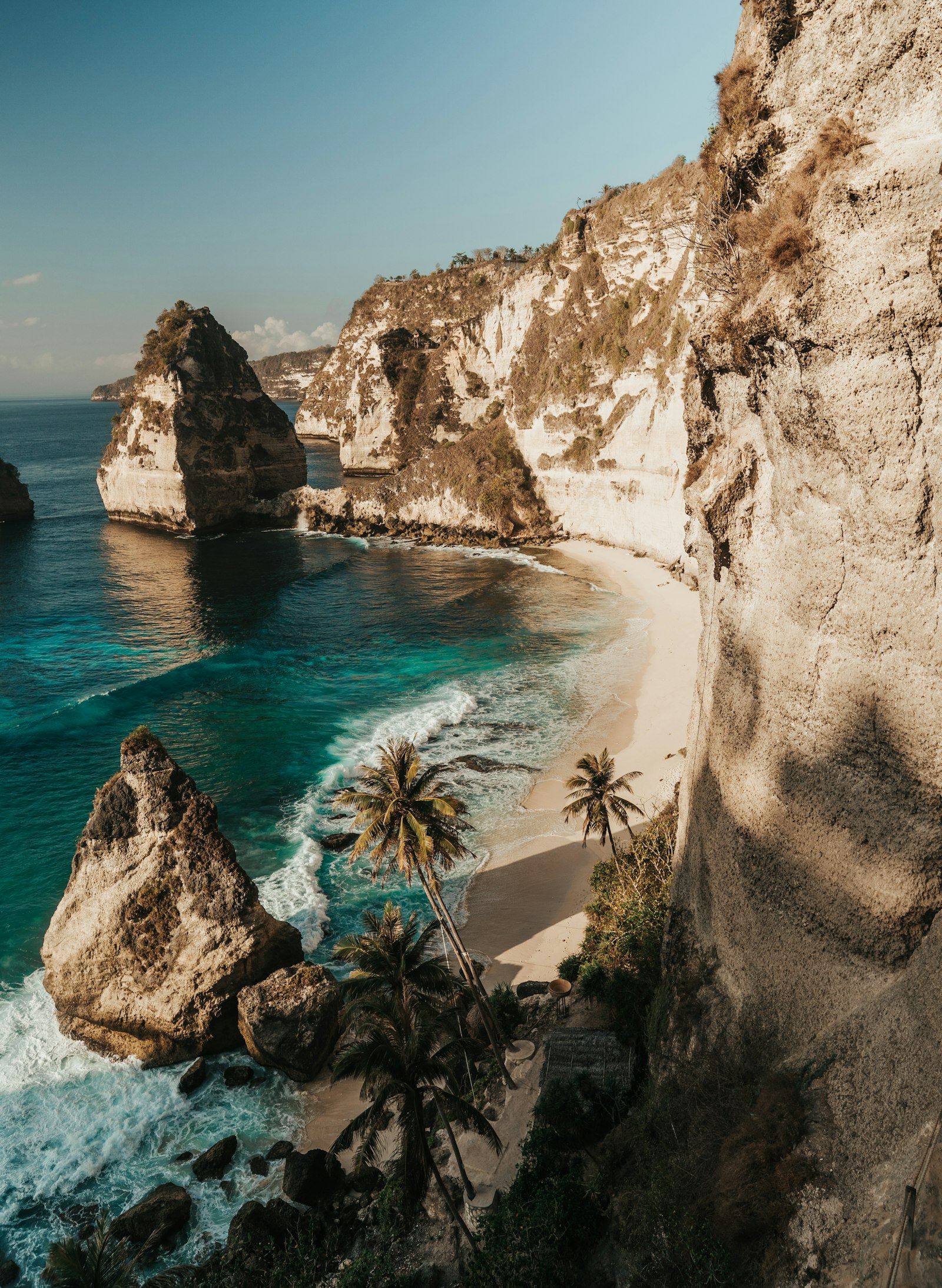
The brochures for Fiji are full of young people leaping off boats. Ignore them. The best version of this country is one the brochures have not figured out how to sell, because it involves sitting very still in a plastic chair, on a porch, at four in the afternoon, with a cold glass of something and a view of the reef.
The Coral Coast—the southern edge of Viti Levu, the main island—is what a travel magazine would call “underrated.” What it really means is: not designed for extremes. The waves break far out on the fringing reef. The lagoon between the beach and that line of white spray is shallow, warm, and full of fish so curious that they will follow a wading grandmother for an hour without getting bored.
I spent ten days here last August at a family-run resort between Sigatoka and Korotogo. The average age of the guests was not twenty-three. The cocktails came with actual fruit. There were no wristbands, no lanyards, and no one ever tried to sell me a helicopter tour.
The older I get, the more I distrust travel that asks me to sign a waiver. Fiji asks for a hat and a reef-safe sunscreen, and in return gives everything.
What you do here is this: you wake up early, while the air is still cool. You walk out to the shallow reef at low tide, water to mid-calf, and you look down. You will see parrotfish, black-tipped reef sharks the size of a zucchini, sea cucumbers like overstuffed leather sofas. You will see a giant clam with a mantle the color of a bruised peach. You will not see another human.
Later, you eat kokoda—white fish cured in lime and coconut milk, the South Pacific answer to ceviche—on a covered terrace while a soft rain dimples the pool. You read. You nap. You wake up to find that the staff has placed a plumeria on your pillow, as they do for everyone, every afternoon, without ceremony.
What the Coral Coast offers older travelers is not an absence of adventure but a redefinition of it. Adventure, here, is the willingness to pay attention. To notice that the tide is different today than yesterday. To learn the names of the three women who run the village weaving cooperative, and to sit with them for an hour, drinking tea, being told—gently, firmly—that your technique for splitting a pandanus leaf is all wrong.
I left with a woven mat I will use for the rest of my life, and a conviction that travel in your sixties is not a lesser version of travel in your thirties. It is a better one. The reef is still there. It has been waiting for you.